

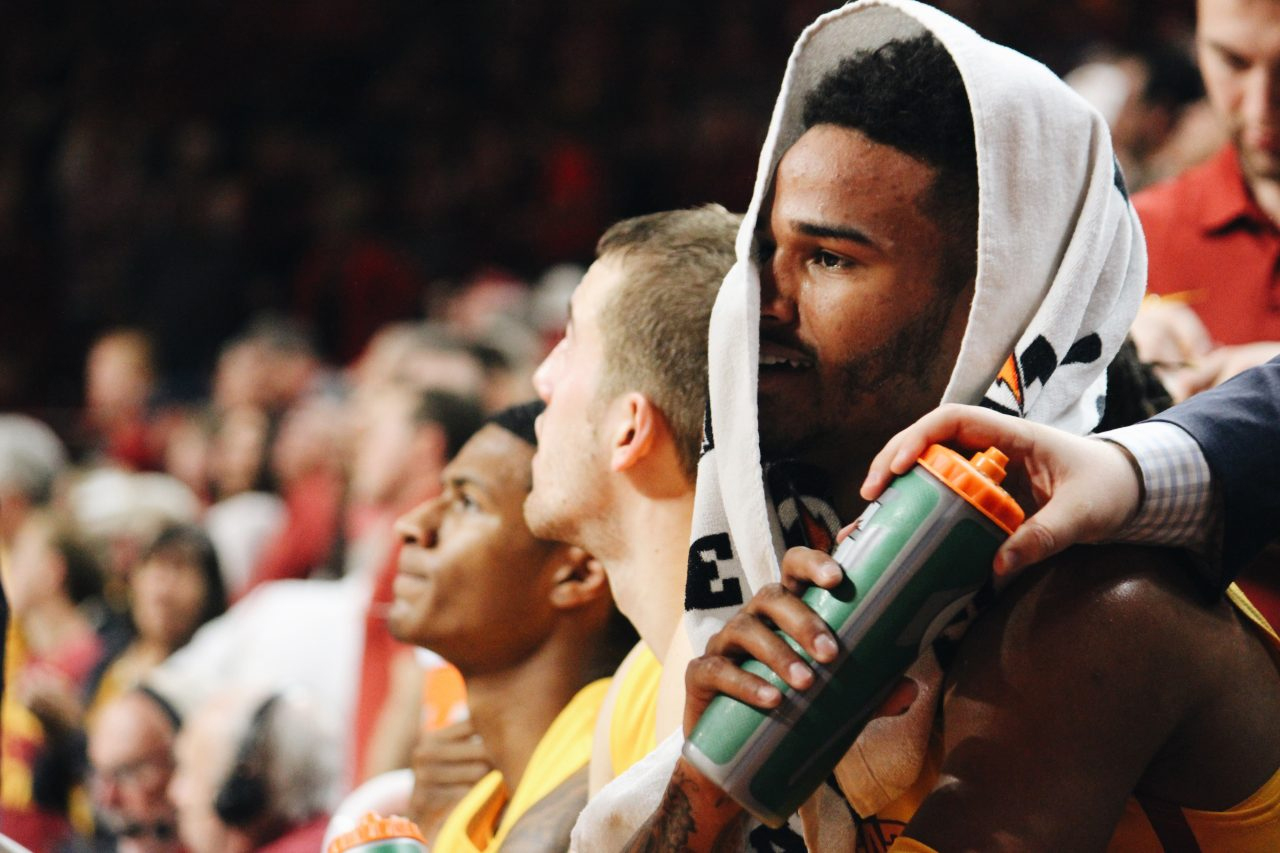
Why Mental Training is like Gatorade for your Mind.
Despite what they might like to believe, head coaches and CEOs don’t know everything. And they certainly can’t teach everything.
Several decades ago, the most progressive leaders in sports and business were able to come to terms with their own limitations and began delegating aspects of training that were not specific to their sport or craft, but nevertheless essential to team success.
In this article, I present the mental training revolution as the logical next step in this trend toward outsourcing.
What you don’t know…
To appreciate the recent increase in utilization of mental coaching at the highest levels of performance, we need only rewind time about a half-century to a time when the head coach was a one-stop-shop for all things performance – including parenting. Do you Remember the Titans? “Who’s your daddy, Gary?”
In the second half of the 20th century, a few coaches started thinking outside the ‘know-it-all’ box. They understood that while they might be experts on the technical aspects of their sport, they were not necessarily experts on things like nutrition and physical conditioning.
Seeking to gain any possible competitive advantage, these pioneers began looking to outside consultants to address specific aspects of performance that did not fall inside their own wheelhouse of expertise.
Thirst quenchers
The first piece of the performance enhancement puzzle involved nutrition.
In 1965, Florida Gators football head coach Ray Graves asked scientists in the college of medicine to create a drink that would help his players replenish water, carbohydrates, and electrolytes lost through physical exertion during practices and competition.
The result was Gatorade (Gator-Aid), which the Gators subsequently cited as a contributing factor to their first Orange Bowl win in 1967. The rest, as they say, is history. The energy drink and bodybuilding supplement markets are now multibillion-dollar industries, and proper nutrition and supplementation are seen as indispensable to preparation for elite performance.
Bigger, faster, stronger
Next came physical conditioning.
Prior to 1950, virtually no one outside of the military lifted weights or engaged in any sort of systematic exercise regimen. The idea of training the body was simply not on the collective radar. The only person you ever saw with a dumbbell was the guy at the circus with the handlebar mustache and leopard-print leotard.
Then came Arnold Schwarzenegger and Jean Claude van Damme, and everything changed. As the bodybuilding and fitness industries came into their own in the 1980s, opportunistic head coaches began hiring strength and conditioning coaches to make sure their teams were doing everything possible to maintain a physical edge over the opposition.
I still remember watching how quickly Rick Pitino revitalized Kentucky’s struggling basketball program and revolutionized college basketball by emphasizing the importance of gaining a competitive advantage through superior strength, agility, and endurance.
Today, virtually everyone understands the health and performance benefits of a regular exercise program, and physical conditioning is simply a matter of course in elite sports. I challenge you to find a single professional athletic team that does not have a dedicated strength and conditioning coach on staff.
Mind over matter
If you can train your body for optimal performance, perhaps you can train your mind as well. Sounds reasonable, no?
Mental training for sport and performance has actually been practiced since the 1960s (for a brief history read Going Mental). But, despite the obvious parallels to physical conditioning, mental training has not been as quick to catch on. The slow uptake has a lot to do with the lingering stigma around seeking help from mental health professionals or “shrinks.”
At first only the most progressive coaches, such as basketball’s Phil Jackson and football’s Pete Carroll, were willing to put their professional reputation on the line and make the leap to bring in experts to train the minds of their players. Thanks to the success and outspokenness of these mental game pioneers, mental training is now much more commonplace among world-class athletes and performers.
Next steps…
Despite the overwhelming use of sport psychology and mental coaching services at the highest levels of many performance domains, not everyone has climbed aboard the mental training bandwagon.
Just last Spring, I offered my consulting services pro bono to a friend who coaches a local girls’ club volleyball team. When I was introduced to the club director at a regional tournament and explained that I was helping my friend’s team with the mental side of the game, the club director responded with “Oh, do they need that?”
This question amounts to a thinly veiled version of “Is there something wrong with them?” and highlights the still prevalent assumption that psychology is only for those who are mentally broken in some way. This view reflects a fundamental lack of understanding of what mental coaching entails and how it benefits athletes and performers.
The only solution to this knowledge gap is education. That’s where I and other mental performance consultants come in. By offering articles and workshops that introduce coaches and players to mental training in a way that is accessible and free of psychological jargon, we can slowly bring the benefits of sport and performance psychology to a wider audience so that more and more people are able to realize their full performance potential.
It is just a matter of time before systematic mental training is just as normal as drinking Gatorade or having a gym membership. At some point, ignoring the mental aspect of performance will seem just as ludicrous as ignoring nutrition or physical training. And when that day comes, I will be ready. Are you ready?
With you in the pursuit,
Dr. Dave